

At the office of Klee and Newman Dental, our starting point is always preservation: we try to keep natural teeth whenever safe and feasible. There are times, however, when removing a tooth is the most responsible option to protect a patient’s long‑term oral health. When that happens, we focus on clear communication, careful planning, and comfort throughout the visit.
Deciding on an extraction is a clinical judgment based on the condition of the tooth, the health of the surrounding tissues, and the patient’s overall medical history. We review your dental and medical records, examine the area thoroughly, and explain why extraction is recommended along with the alternatives we considered.
Your comfort matters from the first conversation through recovery. We discuss anesthesia and sedation choices, review any pre‑procedure instructions, and make sure you understand what to expect before and after the appointment so you can feel confident about the care you receive.
There are a handful of common situations that lead to extraction. In many cases the goal is to prevent further harm—whether that’s stopping the spread of infection, relieving pain, or creating space to improve how the bite functions. Understanding these reasons helps patients make informed decisions about their treatment.
Some cases are urgent and require faster intervention; others can be planned so that we coordinate the extraction with restorative or orthodontic care. When appropriate, we discuss timing and replacement options so you aren’t left wondering about the next steps.
Persistent primary (baby) teeth that block the permanent tooth
Occasionally a primary tooth fails to loosen and fall out on schedule. If its roots don’t resorb or the tooth becomes fused to the bone, it can interfere with the eruption and alignment of the permanent tooth beneath. Removing an over‑retained primary tooth can guide normal development and prevent future crowding or misalignment.
Permanently damaged teeth that cannot be saved
Extensive decay or structural loss can leave a tooth without enough healthy material to restore. When decay has reached the nerve or has destroyed the bulk of the crown, extraction may be the safest option to remove infection and avoid repeated procedures that would not deliver a lasting result.
Severe fractures or root damage
A deep vertical crack, a split root, or a fracture that extends below the gumline can make a tooth unpredictable and painful. If repair would leave the tooth unstable or vulnerable to future failure, extraction is considered so we can plan a more reliable long‑term restoration.
Advanced periodontal disease affecting supporting structures
When gum disease has significantly compromised the bone and soft tissues that hold a tooth in place, stability and function suffer. In advanced cases, removing compromised teeth may be necessary to halt the spread of disease and preserve healthier adjacent teeth.
Impacted or troublesome wisdom teeth
Third molars often lack room to erupt properly and can become impacted, decay, or push on neighboring teeth. Early removal of problematic wisdom teeth can prevent pain, infection, and damage to adjacent teeth, and is commonly recommended for young adults when warranted.
Extractions to support orthodontic or restorative care
In some treatment plans, selectively removing one or more teeth creates the space necessary to achieve a healthier, more functional bite. Extractions are coordinated with orthodontic or restorative phases so that the final result is stable and well aligned.

Before we begin, the dentist will review your medical history, current medications, and any conditions that could affect treatment. Accurate health information helps us choose the safest anesthesia and postoperative plan, and it lets us coordinate care with your physician when necessary.
We use targeted local anesthesia to numb the area around the tooth so you remain comfortable. For patients who prefer it, we also offer options for mild to deeper sedation; we’ll discuss what is appropriate for the procedure and for your medical profile.
To plan the procedure precisely, we take digital radiographs as needed so we can see root anatomy, the position of nearby structures, and whether the extraction is likely to be straightforward or require surgical techniques. This planning minimizes surprises and shortens procedure time whenever possible.
When a tooth is fully visible and its roots are uncomplicated, the extraction is typically classified as simple or routine. After achieving complete numbness, the dentist gently loosens the tooth and removes it with forceps. Most patients feel pressure but no sharp pain, and the procedure is generally quick.
We’ll make sure you’re comfortable throughout and can provide additional comfort measures if anxiety is a concern. After removal, we place gauze to help a blood clot form and go over immediate recovery steps so you know how to support a smooth healing process.
Some teeth require a surgical approach — for example, if a tooth is broken at the gumline, fused to the bone, or impacted below the surface. Surgical extractions may involve a small incision, removal of a bit of bone, or sectioning the tooth for safer removal. These cases can be managed in our office or, when indicated, referred to an oral and maxillofacial surgeon for specialized care.
Whether the extraction is routine or surgical, anesthesia and postoperative instructions are reviewed in detail. If a referral is recommended, we coordinate with the specialist so the transition is seamless and your continuity of care is preserved.

Healing after an extraction follows predictable stages, and simple steps at home help avoid complications. We provide tailored instructions based on the complexity of your procedure, but a few core practices — protecting the clot, managing swelling, and following medication guidance — apply in nearly every case.
Most patients can return to light activities the same day and gradually resume normal routines over the following days. Monitoring the extraction site and contacting the office if something seems off — such as increasing pain, persistent bleeding, or unusual swelling — lets us address issues promptly.
We also plan follow‑up care when necessary: suture removal, monitoring of healing for complex cases, or discussion of tooth replacement options if the extracted tooth will not be replaced immediately.
Apply and maintain gentle pressure
After the tooth is removed, bite gently on the supplied gauze to encourage clot formation. Replace the gauze as instructed; if bleeding is heavy beyond the initial few hours, contact the office for guidance.
Protect the numb area
Numbness from local anesthetic can last several hours. Avoid chewing or placing fingers in the area until sensation returns to prevent accidental injury to lips, cheeks, or tongue.
Use medications as directed
Antibiotics:
If prescribed, take the full course exactly as directed to reduce the risk of postoperative infection.
Pain control:
Begin pain medication as recommended before the anesthetic fully wears off to maintain comfort. Use over‑the‑counter or prescription options only as advised by the dentist.
Avoid disturbing the clot
Do not rinse vigorously, spit forcefully, use a straw, or smoke in the first 24–72 hours. These actions can dislodge the clot and delay healing or cause a painful condition called dry socket.
Reduce swelling with cold
Apply an ice pack in short intervals during the first 24 hours to control swelling. Warm compresses may be helpful after the first day if recommended.
Choose gentle foods and stay hydrated
Stick to soft, easy‑to‑chew foods for the first few days and avoid hot or highly seasoned dishes. Drink plenty of fluids and avoid carbonated or alcoholic beverages while healing.
Maintain gentle oral hygiene
Continue brushing the non‑treated areas and, when advised, rinse gently with a warm saltwater solution to keep the mouth fresh. Avoid aggressive brushing near the extraction site until healing progresses.
Keep follow‑up appointments
If stitches were placed or a complex extraction was performed, a return visit may be scheduled to monitor healing. Keeping that appointment helps ensure recovery is proceeding as expected.
If you notice persistent bleeding, increasing pain, fever, or any other concerning symptoms, contact the office so we can evaluate your recovery and provide prompt care.
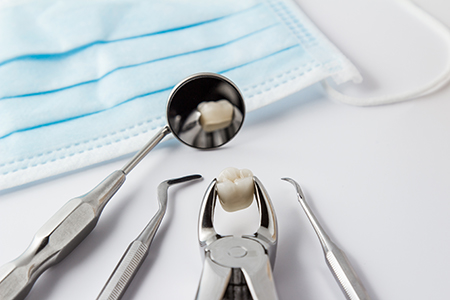
Selecting the right dental team for an extraction matters: experience with surgical and routine extractions, careful planning for tooth replacement when needed, and attention to comfort all contribute to a better outcome. We emphasize clear explanations and predictable follow‑through so patients know what to expect at every step.
When an extraction is the best path forward, we help you understand the reasons, the procedure, and the recovery plan so you can move ahead with confidence. If replacement is part of your long‑term plan, we’ll outline options and timing so those decisions fit your oral health goals.
To learn more about extractions or to discuss a concern, please contact us for more information and to schedule a consultation. Our team is available to answer questions and help you plan the care that’s right for you.
Tooth removal is recommended when keeping a tooth would threaten a patient’s long‑term oral health or when the tooth cannot be reliably restored. Common reasons include extensive decay that reaches the nerve, severe fractures or root damage, advanced periodontal disease, and persistent or impacted primary or wisdom teeth. The decision follows a careful clinical examination, review of medical history, and imaging so the clinician can weigh the risks and benefits.
When extraction is advised, the dentist explains the clinical rationale, the alternatives considered, and how removal supports your overall treatment goals. In many cases extraction prevents the spread of infection, relieves ongoing pain, or creates the space needed for a stable bite. Clear planning also addresses what will happen next, including follow‑up care and options for replacing the lost tooth if appropriate.
A simple extraction applies when a tooth is fully visible in the mouth and its roots are uncomplicated; the dentist numbs the area, loosens the tooth, and removes it with forceps. Patients usually feel pressure but not sharp pain during the brief procedure, and post‑procedure care focuses on clot protection and gentle oral hygiene. Digital radiographs often guide the approach so the clinician can anticipate any potential challenges.
Surgical extraction is required when a tooth is broken at the gumline, impacted, fused to bone, or when roots have an unusual shape. The procedure may involve a small incision, removal of a small amount of bone, or sectioning the tooth for safer removal, and it can take longer than a simple extraction. In some cases we manage surgical extractions in‑office; when specialized care is indicated, we coordinate a referral to an oral and maxillofacial surgeon for continued treatment and follow‑up.
Preparation begins with a thorough review of your medical history, current medications, and any conditions that might affect anesthesia or healing. Share details about blood thinners, heart conditions, pregnancy, or recent illnesses so the team can adjust the plan or coordinate with your physician if needed. Follow any pre‑procedure instructions provided by the office, such as fasting for certain sedation options, and arrange transportation if deeper sedation is planned.
Before the appointment the dentist will explain the chosen anesthesia, the expected steps of the procedure, and typical recovery milestones so you know what to expect. Bring a list of questions and any necessary prescriptions or records from other providers to ensure seamless care. Clear communication before treatment reduces anxiety and supports a safer, more predictable experience.
Most extractions are performed using targeted local anesthesia that numbs the area around the tooth so patients remain comfortable throughout the procedure. For patients who prefer additional calm or for longer or more complex procedures, the office can offer mild to moderate sedation options that reduce anxiety and awareness while maintaining patient safety. The choice depends on the procedure’s complexity, the patient’s medical history, and their comfort level with dental treatment.
We review the benefits and limitations of each option and select the safest approach for the individual patient, including monitoring during and after the procedure when sedation is used. Patients should disclose medications, substance use, and medical conditions so the team can choose appropriate anesthesia and provide specific pre‑ and post‑sedation instructions. When deeper or specialized sedation is required, coordination with an oral surgeon or anesthesiology team may be arranged.
Initial healing after an extraction involves clot formation, reduced bleeding, and gradual tissue repair; most patients can resume light activities the same day and return to normal routines over several days. Key practices to support healing include maintaining gentle pressure on the extraction site with gauze, avoiding vigorous rinsing or use of straws, and not smoking for at least 24–72 hours, since these actions can dislodge the clot. Follow medication instructions for pain control and antibiotics when prescribed to reduce the risk of complications.
Dry socket is a painful condition that occurs when the protective blood clot is dislodged or fails to form. To minimize this risk avoid forceful spitting, hard brushing near the site, and habits that create suction in the mouth; gentle saltwater rinses are typically recommended after the initial 24 hours to keep the area clean. Contact the office promptly if you experience increasing pain, persistent or heavy bleeding, fever, or other unusual symptoms so the team can evaluate and provide appropriate care.
Wisdom teeth may be recommended for removal when they are impacted, partially erupted, causing decay, pushing on neighboring teeth, or contributing to recurrent infections. Because third molars often lack adequate space to erupt normally, they can create pain, crowding, or damage to adjacent teeth and bone. Early evaluation in late adolescence or young adulthood allows clinicians to monitor development and recommend timely intervention when warranted.
Timing balances the risks of leaving a problematic wisdom tooth with the benefits of intervening before complications worsen. Removing troublesome wisdom teeth before significant infection or complex root development can reduce surgical difficulty and improve healing. The dentist will discuss whether removal now or continued monitoring is the best option based on radiographic findings and your dental history.
Alternatives to extraction include restorative treatments such as crowns, root canal therapy, or periodontal treatment to try to preserve a compromised tooth when feasible. The clinician evaluates the structural integrity of the tooth, the extent of infection or decay, and the surrounding bone and gum health to determine whether restoration is a predictable long‑term solution. If a tooth cannot be reliably restored, extraction may be the more responsible choice to protect adjacent teeth and overall oral health.
If extraction is performed, the team discusses replacement options when appropriate to restore function and appearance, such as bridges, dental implants, or removable prosthetics. Timing for replacement depends on healing, bone availability, and the broader treatment plan; immediate, delayed, or staged approaches may be considered based on clinical factors. Your dentist will outline the next steps so you understand how replacement fits into your oral health goals.
Extractions are sometimes an integral part of orthodontic or restorative plans when removing one or more teeth creates space to achieve a healthier, more functional bite or simplifies restorative work. In orthodontics, selective extraction can help relieve crowding and allow teeth to move into a more favorable alignment. In restorative cases, extraction may be coordinated with planned implants, bridges, or prosthetic solutions to ensure proper spacing and occlusion.
Coordination between the dentist, orthodontist, and any specialists is essential to time the extraction appropriately and integrate it into the larger treatment sequence. Planning includes imaging, discussion of replacement timing, and consideration of how healing will affect subsequent phases of care. Patients receive a clear timeline and rationale so each step supports the intended outcome.
Yes; when a primary (baby) tooth fails to exfoliate and blocks the eruption or alignment of a permanent tooth, removal is often the safest option to guide normal development. Over‑retained primary teeth can result from uneroded roots, ankylosis, or fusion to the bone, and they may cause crowding or impede the permanent tooth beneath. A pediatric assessment and appropriate imaging help determine whether extraction will encourage proper eruption and minimize future orthodontic issues.
Children typically tolerate local anesthesia well, and the dentist explains the procedure to both the child and the parents to reduce anxiety and encourage cooperation. When necessary, behavior management techniques or mild sedation options are used to keep the child comfortable and safe during treatment. Follow‑up monitoring ensures the permanent tooth erupts as expected and that any additional steps are taken promptly.
Choose a team that communicates clearly about the reasons for extraction, demonstrates experience with both routine and surgical procedures, and provides thorough pre‑ and post‑operative instructions. Look for clinicians who use modern imaging to plan treatment, discuss anesthesia options tailored to your medical profile, and outline follow‑up care so you know what to expect during recovery. For many patients, receiving care from a local general dentist who coordinates with specialists when needed offers convenience and continuity.
If a case requires specialized surgical skills or hospital‑based care, your dentist will recommend a referral to an oral and maxillofacial surgeon and coordinate the transition to maintain continuity. Klee and Newman Dental works with trusted specialists when indicated, ensuring your records and treatment plan move with you so there is no break in care. Clear coordination and a shared plan between providers help achieve the safest, most predictable outcome.

