

At the office of Klee and Newman Dental, we take oral examinations seriously because they’re the foundation of long-term dental health. A thoughtfully conducted oral exam does more than grade the appearance of your teeth — it reveals early signs of disease, pinpoints functional concerns like bite problems or tooth wear, and gives your clinician the context needed to recommend appropriate care. Our goal during every visit is to gather clear information and share it in plain language so you can make informed choices about your smile.
Your first comprehensive exam is an opportunity to establish a clear baseline for future care. We begin with a review of your medical and dental history to identify factors that might affect your mouth — current medications, past surgeries, chronic conditions, and any symptoms you’ve noticed. This conversation helps the dental team tailor the examination and determine whether any additional tests or images are needed.
After the history, the clinical assessment begins. The dentist and hygienist will inspect your teeth, gums, tongue, and the soft tissues of the mouth, as well as evaluate how your jaws and bite come together. We look for visible signs of decay, gum inflammation, abnormal growths, uneven wear, and anything that might suggest a functional problem such as clenching or grinding.
Diagnostic images are often part of a comprehensive first visit. If recommended, these x-rays or scans reveal what we can’t see from the surface — the condition of tooth roots, the supporting bone, and areas between teeth where decay can hide. Once the exam and any necessary imaging are complete, we’ll discuss our findings and outline clear, prioritized next steps so you understand what matters most for your oral health.

A well-rounded oral exam goes beyond checking for cavities. Clinicians systematically examine the gums for pockets or bleeding that indicate periodontal disease, assess the health of existing restorations, and screen for lesions or discolorations that might require further evaluation. We also evaluate your bite and jaw function to detect strain in the temporomandibular joints or signs of bruxism (tooth grinding).
Soft tissues, including the tongue, cheeks, floor of the mouth, and throat, are inspected carefully because many systemic conditions show early signs in these areas. Any unusual lumps, persistent sores, or patches of discoloration are noted and, if necessary, monitored or biopsied. This vigilance helps ensure that suspicious findings receive prompt attention.
Oral exams also take a preventive stance. Our team identifies areas where plaque and tartar accumulate, points out habits that can accelerate wear or gum recession, and recommends targeted hygiene practices. By combining clinical observation with patient history and imaging, we aim to form a complete picture that supports both immediate care and long-term maintenance.
Oral and systemic health are closely connected. Inflammation and infection in the mouth can influence overall health, and conversely, systemic conditions like diabetes or autoimmune disorders can manifest in oral tissues. During an oral exam, we’re attentive to signs that might indicate a larger medical concern so we can advise appropriate follow-up with your physician when indicated.
For many patients, detecting early gum disease or unusual oral changes provides an opportunity to intervene before complications develop. Treating oral inflammation and maintaining periodontal health can reduce the bacterial burden in the mouth and support general well-being. We explain these links in clear terms so patients understand why routine examinations matter beyond cosmetic appearance.
We also consider lifestyle and medication factors that affect saliva flow, tooth structure, and tissue resilience. Dry mouth, for example, increases risk for cavities and can signal a need to modify medications or introduce preventive strategies. Our exams are designed to identify these contributing factors and to recommend practical, evidence-based steps to protect both oral and overall health.

Professional dental cleanings are a cornerstone of preventive care because they remove plaque and hard deposits that are difficult to reach with routine home care. During a cleaning appointment, our hygienist eliminates built-up tartar, polishes the teeth, and smooths root surfaces when needed — all steps that reduce the risk of cavities and periodontal disease and help preserve the underlying bone and supporting tissues.
Cleanings also create an opportunity for personalized education. We assess your brushing and flossing routine, demonstrate improved techniques, and recommend adjunctive tools such as interdental brushes or flossing aids when appropriate. These individualized recommendations help patients close gaps in their home care and maintain the benefits gained during a professional visit.
For children and adults alike, regular checkups and cleanings allow us to monitor development, detect changes early, and prevent small problems from becoming more complex. Early intervention is almost always less invasive and more predictable, so establishing a consistent schedule of examinations and cleanings is a practical investment in long-term oral health.
Visual inspection is essential, but imaging reveals the unseen. Dental radiography exposes the condition of tooth roots, the presence of decay between teeth, and the quality of the jawbone that supports teeth. Advances in digital imaging make these tools faster and more comfortable while minimizing radiation exposure compared with older methods.
Digital radiographs are available immediately and can be enlarged and enhanced to aid diagnosis. They’re useful for spotting early decay, evaluating the integrity of restorations, and tracking bone levels around teeth. In cases where three-dimensional detail is necessary — for example, complex surgical planning or implant placement — cone-beam computed tomography (CBCT) provides a volumetric view that supports precise, predictable treatment planning.
Different imaging types serve different purposes. Bitewing films highlight decay between back teeth; periapical images focus on individual tooth roots and surrounding bone; panoramic films offer a broad overview of teeth and jaw structures. When images are combined with the clinical exam, they give clinicians a comprehensive diagnostic toolkit that guides careful, conservative care.
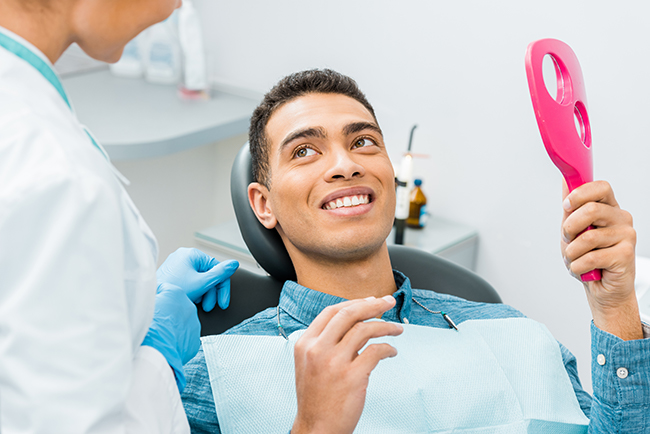
Routine oral examinations are how we catch problems early, monitor ongoing conditions, and help you keep a healthy, functional smile over a lifetime. At Klee and Newman Dental, our examinations are thorough, patient-centered, and focused on practical recommendations you can follow. Contact us for more information about what to expect at your next oral exam or to discuss any questions you have about maintaining your oral health.
An initial oral exam establishes a clinical baseline and guides future care. We begin by reviewing your medical and dental history and then perform a systematic visual and tactile assessment of teeth, gums, tongue, and other oral tissues. The exam identifies visible decay, inflamed areas, abnormal growths, and signs of functional strain such as uneven wear.
When needed, the dentist will supplement the clinical exam with diagnostic images to evaluate tooth roots, bone levels, and areas between teeth. Findings are discussed in plain language and prioritized so you understand immediate concerns and recommended next steps. This process helps ensure treatment decisions are conservative, appropriate, and tied to measurable findings.
The frequency of routine oral exams depends on your individual risk factors, oral health history, and periodontal status. For many patients, semiannual exams and cleanings are sufficient to monitor changes and prevent disease, while others with active periodontal disease or complex restorative needs may require more frequent visits. Your clinician will recommend an interval based on clinical findings and your oral hygiene routine.
Regular exams allow the team to detect problems at an early, more treatable stage and to reinforce personalized preventive strategies. Consistent monitoring also makes it easier to track trends such as increasing tooth wear or shifting bite relationships. Establishing a predictable schedule helps maintain oral health and reduces the likelihood of more invasive treatment later.
Diagnostic imaging complements the clinical exam by revealing conditions that are not visible on the surface, such as decay between teeth, root problems, and bone loss. Common types include bitewing radiographs for interproximal decay, periapical images for individual tooth roots, and panoramic films for an overall view of jaw structures. When three-dimensional detail is necessary, cone-beam computed tomography (CBCT) provides volumetric information useful for surgical planning and implant assessment.
Digital imaging is fast and exposes patients to minimal radiation compared with older methods, and images can be enlarged to aid patient education and treatment planning. The dentist orders the type and number of images that best address specific diagnostic questions while keeping exposure as low as reasonably achievable. Combined with the clinical exam, imaging helps clinicians recommend targeted, evidence-based care.
Soft-tissue assessment includes careful inspection of the lips, cheeks, tongue, floor of the mouth, palate, and oropharynx for unusual lumps, persistent sores, or areas of discoloration. Clinicians note any asymmetry, persistent ulcers, or patches that do not resolve with routine care and may recommend monitoring, photography, or referral for biopsy when appropriate. Early detection of suspicious findings improves the likelihood of successful diagnosis and treatment.
The exam also evaluates mucosal texture, swelling, and signs of infection or inflammation that can indicate systemic conditions or local disease. Clinicians document findings and compare them over time to identify changes that warrant further investigation. Education about self‑awareness and when to report new or persistent symptoms is an important part of the soft-tissue evaluation.
Oral exams include periodontal screening to detect early signs of gum inflammation, pocketing, and bleeding that indicate periodontal disease. By measuring pocket depths and assessing bleeding on probing, clinicians can identify disease activity and classify its severity. Early detection allows for conservative interventions such as improved home care, targeted cleanings, and non-surgical periodontal therapy when indicated.
Exams also identify behaviors and conditions that contribute to periodontal disease, including localized plaque retention, tobacco use, and uncontrolled systemic conditions like diabetes. The dental team provides tailored hygiene instruction and monitors response to treatment to help patients control inflammation and preserve supporting bone. Ongoing surveillance is key to preventing progression and protecting long-term oral function.
You should report current medications, recent surgeries, chronic medical conditions, and any symptoms such as dry mouth, oral pain, or unusual bleeding. Prescription and over-the-counter drugs, as well as supplements, can affect saliva flow, tissue healing, and bleeding risk, so a complete list helps the clinician tailor the exam and any recommended procedures. Be sure to mention allergies, past adverse reactions to anesthesia, and any conditions for which you are under a physician's care.
Also describe past dental treatments and your home-care habits, including biting habits, grinding, or use of oral appliances. This context helps the team interpret clinical findings and recommend preventive measures or maintenance schedules. Open communication about lifestyle factors such as tobacco or alcohol use further informs risk assessment and patient education.
Oral exams for children focus on growth and development in addition to disease prevention, with attention to eruption patterns, occlusion, and habits that can affect long‑term oral health. Pediatric exams include evaluation for early signs of decay, guidance on fluoride and diet, and assessment of space for permanent teeth. The approach emphasizes education for parents and caregivers to establish effective home-care routines and preventive strategies.
As children mature, exams gradually incorporate more detailed periodontal and functional assessments similar to adult care, including monitoring for signs of bruxism or airway concerns. Regular pediatric examinations provide a baseline for development and make it easier to intervene early if problems arise. Establishing a positive dental experience early supports better lifelong oral health behaviors.
The mouth often reflects systemic health, and changes in oral tissues can be early indicators of conditions such as diabetes, autoimmune disease, or nutrient deficiencies. Clinicians look for patterns of inflammation, unusual mucosal findings, persistent infections, and changes in healing that may suggest a broader medical issue. When oral findings imply a systemic connection, the dental team will recommend appropriate medical follow-up.
Managing oral inflammation and infection reduces local bacterial burden and can support overall health, particularly for patients with chronic conditions that interact with periodontal disease. Communication between the dental team and a patient’s physician can improve coordinated care when underlying medical concerns are suspected. Explaining these links in clear terms helps patients understand the importance of routine examinations.
After the exam, the clinician will review findings with you, prioritize concerns, and outline recommended next steps that may include preventive measures, monitoring, or specific treatments. Recommendations are driven by clinical evidence and the relative urgency of each finding, with emphasis on the most conservative options that address the problem effectively. You will receive guidance on home care and any interim steps to protect oral health while planning definitive care.
If treatment is recommended, the team will explain the goals, anticipated outcomes, and what to expect during and after the procedure in plain language. Where appropriate, clinicians will sequence care to address urgent issues first and to coordinate restorative, periodontal, or surgical steps for predictable results. Follow-up appointments and ongoing monitoring help ensure that treatment is successful and that any new concerns are identified promptly.
To schedule an oral exam with Klee and Newman Dental, call (630) 532-5310 or complete the request appointment form on the practice website. Our Elmhurst office is located at 468 S Spring Road and offers on-site parking for patient convenience. The front desk staff can confirm available times and advise you on any preparations for your visit.
If you have an urgent concern such as acute pain, swelling, or trauma, please contact the office by phone so the team can arrange an appropriate appointment. New and returning patients are welcome for examinations, second opinions, and comprehensive treatment planning. Before your visit, gather a list of medications and any recent medical updates to help streamline the exam process.

